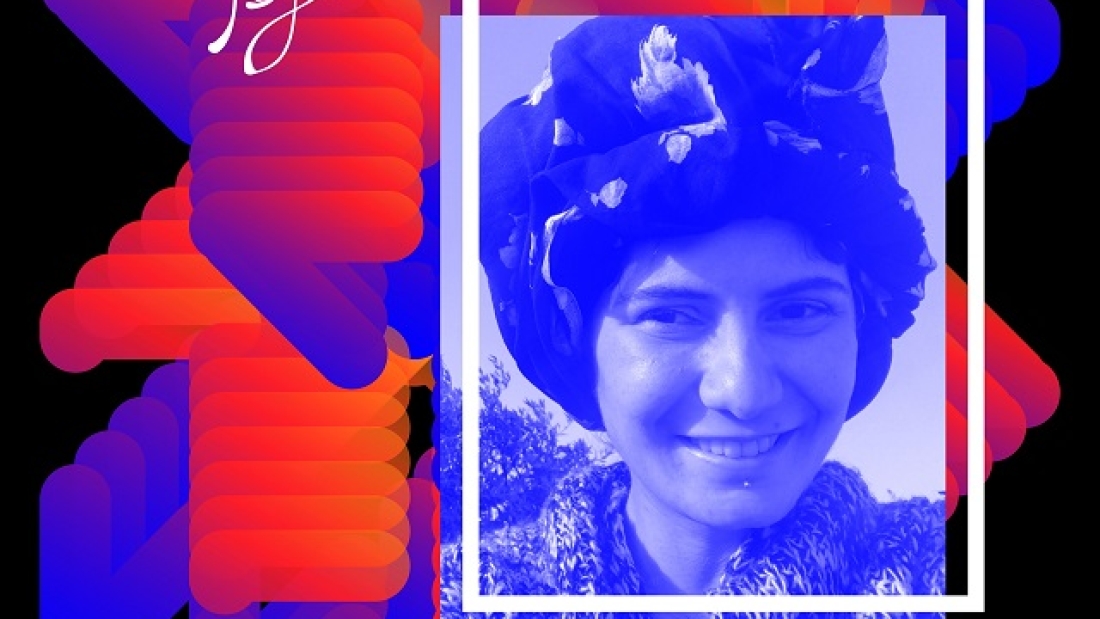

ساناز نتاج با کنار هم گذاشتنِ هنرِ دستِ زنان و مردان روستاهای مختلف ما را با تکههای گمشدهی فرهنگ و سنت که روزگاری در ایران بسیار پررونق بوده آشنا میکند. او با همکاری توسط این زنان و مردان صنعتگر توانسته شناسهی جدیدی از صنایع دستی و سنتی را به ما نشان دهد .او تک تک مراحل گستردهی تولید لباسهای خود را مستند میکند و برای ما به نمایش میگذارد.
Sanaz Nattaj introduces lost pieces of a culture and tradition that once was very prominent in Iran by bringing together the handcrafts of men and women from different villages. By collaborating with these craftsmen and craftswomen, she is able to show us a new identity of traditional handicrafts. She documents and displays every stage of the extensive process behind her creations.
به اصفهان سفر میکند و نخ گلابتون را از دست تنها هنرمندی که به درست کردن این هنر مشغول است تهیه میکند مردی هفتاد و اندی ساله. گلابتونها را به جنوب ایران میفرستد، روستایی در جزیرهی قشم، جایی که زنان در آنجا سرگرم درست کردن لباسهای محلی هستند. آنان با ظرافت خاصی روی پارچههای دستباف که توسط زوجی هنرمند در مرکز ایران، شهر بادگیرها، یزد، بافته شده است سوزن میزنند.
در نقطهای دیگر از جنوب ایران فعالیت دیگری در حال انجام است. در بندرعباس زنانی هستند که با نوارهای طلا روی تور، نقشهایی را گره میزنند؛ طلایی ناب زیر چتر آسمان جنوب.
در این حین برای تزئین پایانی لباس، مردی بلوچ دکمههایی را با روشی کُهن که برگرفته از نوعی گره با برگ درخت داز است، توسط نوارهایی از جنس طلا به هم میبافد.
و در آخر تکهها به تهران می رسد به دست خانم خیاطی که ماهرانه آنها را به هم وصل میکند و میدوزد.
لباس آماده است.
Travels to Isfahan and purchase Golabetun threads from the only artist alive who produces them; a seventy-something year old man. Then sends the threads to southern Iran, a village in Qeshm Island, where women are busy making local clothes. They delicately needle on handwoven fabrics made by an artistic couple from the center of Iran, the city of windtowers, Yazd.
In another place in southern Iran, another activity is going on. In Bandar-Abbas, there are women knotting patterns on nettings with golden tapes. For the final adornment of the clothes, a Baluchi man makes buttons using an ancient technique with leaves of Mazari palm, weaving them together with golden strings.
At last the pieces of fabric reach Tehran, where a skillful tailoress sews them together.
The garment is ready!
------------------------------------
میتوانید این ویدیو را در اینستاگرام آستین هم ببینید http://instagram.com/aassttiinn
برای رفتن به صفحهی ویدیو در اینستاگرام آستین اینجا را کلیک کنید.
You can watch this video on aassttiinn's Instagram account at http://instagram.com/aassttiinn